 Howl Movie
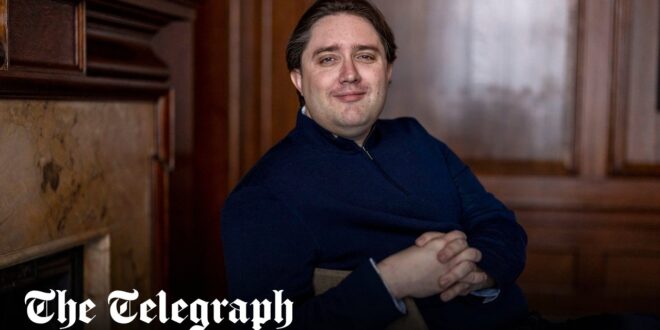
When a law firm borrows hundreds of millions of pounds to bankroll its cases, a difficult question eventually follows: who is really in charge once things go wrong, the lawyers who founded the firm, or the investors who financed its growth?
At Pogust Goodhead, that question has moved from theoretical to urgent, as an internal crisis has reshaped who holds power inside one of Britain’s biggest class-action firms.
A Power Struggle at the Top

Founded in 2018 by Tom Goodhead and Harris Pogust, the firm grew rapidly after securing a landmark 552.5 million dollar financing deal from US hedge fund Gramercy in 2023. A reported dispute between Pogust Goodhead executives and the firm’s financial backers over how that money was being managed culminated in Goodhead’s sudden removal as chief executive last summer.
The clash marked a turning point for the firm, shifting real influence away from its founding lawyers and toward the investors and consultants now shaping its day-to-day direction and long-term strategy.
What the Investigation Found
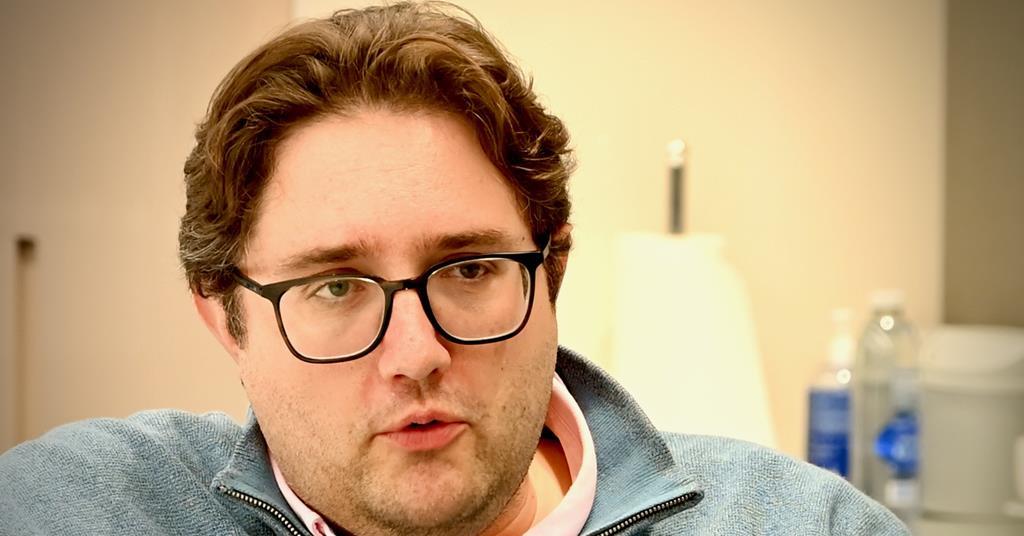
An internal investigation led by law firm DLA Piper reportedly found evidence of excessive and uncontrolled spending during Goodhead’s tenure. Insiders described frequent private jet and helicopter travel, business-class flights, luxury hotel stays, and staff yacht parties.
Combined travel and hospitality costs are said to have exceeded five million pounds between 2023 and 2024. The report also pointed to a 4.2 million pound director’s loan to Goodhead that was later written off, along with possible breaches of the firm’s funding agreements with Gramercy and an earlier backer, NorthWall Capital.
Funders, Consultants and a New Chain of Command
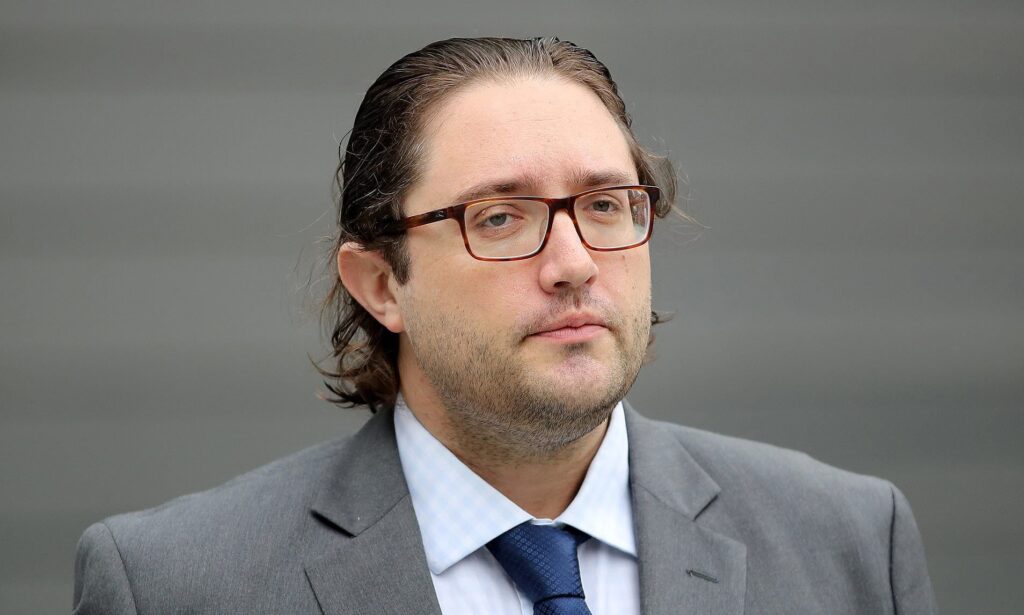
In the aftermath, restructuring consultant Huw Dolphin reportedly took on majority voting control of the firm, while former chief operating officer Alicia Alinia stepped in as interim chief executive, a structure that leaves financial stakeholders with significant sway over decisions that were once the sole preserve of the firm’s founding partners.
Gramercy has also injected a further 65 million dollars to help ease the pressure, cementing its role as arguably the single most influential player in the firm’s future direction.
The shift came against a backdrop of serious financial strain, with overdue accounts reportedly showing a 2022 pre-tax loss of close to 292 million pounds and total debts climbing to 97.5 million pounds by 2023, up from just 11 million pounds a year earlier, prompting auditors to flag material uncertainty over the firm’s ability to continue as a going concern.
Conclusion
Goodhead has firmly denied any wrongdoing, insisting the firm was financed through commercial loans rather than client money and describing his removal as a boardroom coup rather than a governance failure.
Pogust Goodhead’s leadership maintains that governance has since been strengthened and that its major cases remain on track. But the firm’s experience has become a striking illustration of how much control funders and financial advisers can end up wielding once a heavily borrowed law firm runs into trouble.