 Howl Movie
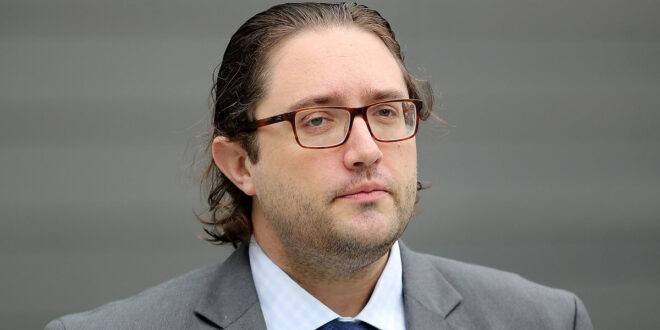
Tom Goodhead has rejected allegations of extravagant and improper spending following his abrupt removal from the law firm he co-founded. The dispute has exposed deep tensions within Pogust Goodhead at a critical stage of its multibillion-pound litigation against mining company BHP, while also raising questions about governance, funding and control over major group claims.
Leadership Upheaval at a Critical Moment

The leadership change in the BHP class action became public in August 2025, when Goodhead was unexpectedly replaced as chief executive by chief operating officer Alicia Alinia. The firm also appointed a new board as it sought to strengthen oversight and reassure employees, clients and financial partners.
The timing was especially sensitive because Pogust Goodhead was awaiting a major ruling in its claim against BHP over the 2015 Fundão dam collapse in Brazil. The case was brought on behalf of hundreds of thousands of claimants who say they suffered personal, economic and environmental damage following the disaster.
Reports linked Goodhead’s removal to growing tensions with Gramercy Funds Management, the US investment firm that had provided more than £450 million to finance Pogust Goodhead’s litigation portfolio. The firm stated that its funders were not members of the board and would not participate in its daily management or legal decision-making.
Goodhead Rejects Claims of Lavish Expenditure
Following his departure, allegations emerged that litigation funding had supported excessive spending on private aircraft, helicopters, luxury hotels, yacht events and corporate hospitality. An internal investigation reportedly examined millions of pounds in travel and entertainment expenditure incurred while Goodhead led the firm.
Goodhead has denied using money improperly. He has maintained that extensive international travel was necessary to manage complex litigation, coordinate legal teams and meet claimants across Brazil. According to his account, private aviation was sometimes required to reach remote communities, while accommodation and hospitality costs were consistent with the demands of running an international legal practice.
He has also described his removal as a boardroom coup resulting from disagreements about the direction of the BHP litigation. Goodhead has claimed that he resisted pressure concerning potential settlement discussions and acted in what he believed were the best interests of clients.
The allegations remain contested, and the existence of an internal report does not itself establish personal misconduct. However, the dispute has increased pressure on Pogust Goodhead to explain how expenditure was authorised and how litigation funding was separated from broader corporate costs.
Questions Over Funding and Professional Independence

The controversy extends beyond Goodhead’s expenses because it concerns the relationship between claimant law firms and the investors financing their cases. Pogust Goodhead’s model depends on external capital to pay lawyers, experts and operational expenses before any compensation or legal fees are recovered.
After Goodhead’s removal, BHP questioned whether Gramercy exercised excessive influence over the firm. Some senior lawyers also reportedly left or stepped away from major cases after expressing concerns about governance and funder involvement.
Pogust Goodhead and Gramercy have rejected suggestions that the investment manager controls client matters. The firm has consistently stated that its lawyers remain professionally independent and retain authority over case strategy, settlement advice and representation.
Nevertheless, its substantial debt makes the relationship with funders difficult to ignore. Delays in major proceedings can increase borrowing costs, while leadership instability may weaken confidence among clients whose claims could continue for several more years.
Conclusion
Tom Goodhead’s denial of lavish spending allegations has turned his removal into a bitter dispute over governance, expenditure and control of one of Britain’s largest group actions. His former firm must now demonstrate that its new leadership can manage both the BHP litigation and its considerable financial obligations.
The spending claims have not been conclusively proven, but they have exposed weaknesses in transparency and internal oversight. Pogust Goodhead’s credibility will depend on maintaining professional independence, protecting claimant interests and showing that litigation funding is being managed with appropriate discipline.