 Howl Movie
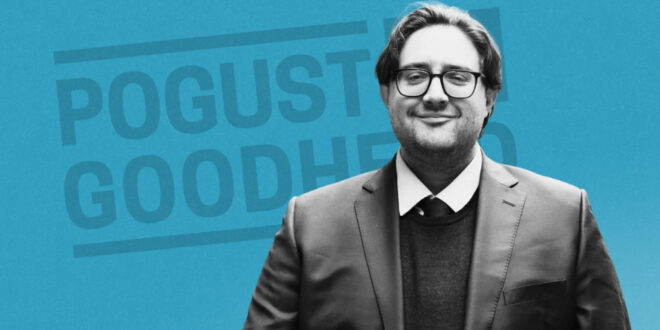
Pogust Goodhead has become one of the most closely watched claimant law firms in the UK, largely because of the scale of the cases attached to its name. From environmental group actions to diesel emissions litigation, the firm built a reputation around ambitious, high-value claims. But recent internal changes, funding questions, and leadership departures have turned attention from the courtroom to the firm itself.
A Firm Built Around High-Stakes Group Litigation

The wider fallout at Pogust Goodhead cannot be understood without looking at the size of the claims it has pursued. Reports that Pogust Goodhead co-founder resigns became part of a larger story about pressure inside a firm handling some of the most demanding litigation in the UK market.
The firm’s profile grew through major claimant-side work, including actions linked to the Mariana dam disaster in Brazil and large diesel emissions claims. These types of cases require huge coordination. Thousands of claimants, complex evidence, international defendants, expert reports, and years of legal work all create a business model that is very different from ordinary commercial litigation.
For a firm like Pogust Goodhead, success depends not only on legal strategy but also on operational strength. Large group actions can take years before they produce any financial return. That means the firm must maintain staff, technology, claimant communication, court preparation, and funding support while waiting for key judgments or settlements.
Why The BHP Claims Matter So Much
The BHP litigation has been central to Pogust Goodhead’s public identity. The case relates to the 2015 Mariana dam collapse in Brazil, one of the country’s worst environmental disasters. For claimants, the action represents a route to accountability and compensation. For the firm, it represents both a major legal opportunity and a major financial burden.
Large environmental cases are expensive because they involve technical evidence, cross-border legal issues, and intense defendant scrutiny. Every procedural step matters. Any question about funding, governance, or leadership can quickly become relevant because opponents may argue that instability affects the firm’s ability to manage the case properly.
This is why the internal fallout has attracted so much attention. When a law firm is handling a claim of this scale, its own structure becomes part of the wider litigation narrative. The issue is not simply whether lawyers can argue the case, but whether the organisation behind them can sustain the fight until the end.
Diesel Emissions Cases Added More Pressure

Alongside the BHP claims, diesel emissions litigation added another layer of complexity. These cases involve allegations connected to vehicle emissions and consumer harm, often requiring coordination across large claimant groups and multiple car manufacturers. They are legally important, but also difficult to manage at scale.
For claimant firms, diesel emissions cases can be attractive because they involve many potential claimants. However, they are also costly and slow. The firm must keep claimants informed, manage expectations, prepare evidence, and continue investing resources before any final outcome is reached.
When combined with environmental litigation, diesel cases can stretch a firm’s capacity. The pressure is not only legal. It is financial, managerial, and reputational. If senior figures leave or funders become more visible in the background, questions naturally arise about independence, control, and long-term stability.
Conclusion
The Pogust Goodhead fallout shows how modern group litigation can put extraordinary pressure on a law firm. The public focus may be on BHP, diesel emissions, and major claimant battles, but behind those cases sits a demanding business model that depends on funding, leadership, trust, and endurance.
For claimants, the key question is whether the firm can continue to pursue their cases effectively. For the wider legal industry, the story raises bigger questions about litigation funding, governance, and the risks of rapid growth in high-value claimant work. Pogust Goodhead’s next chapter will be watched closely because it may influence how large group actions are funded, managed, and judged in the years ahead.